GS1 Sunrise 2027: What the Move to 2D Barcodes Means for QR Codes on Your Packaging
Retail is moving from linear barcodes to 2D codes. What Sunrise 2027 asks of brands, why a short link is not a GS1 Digital Link, and what to audit now.
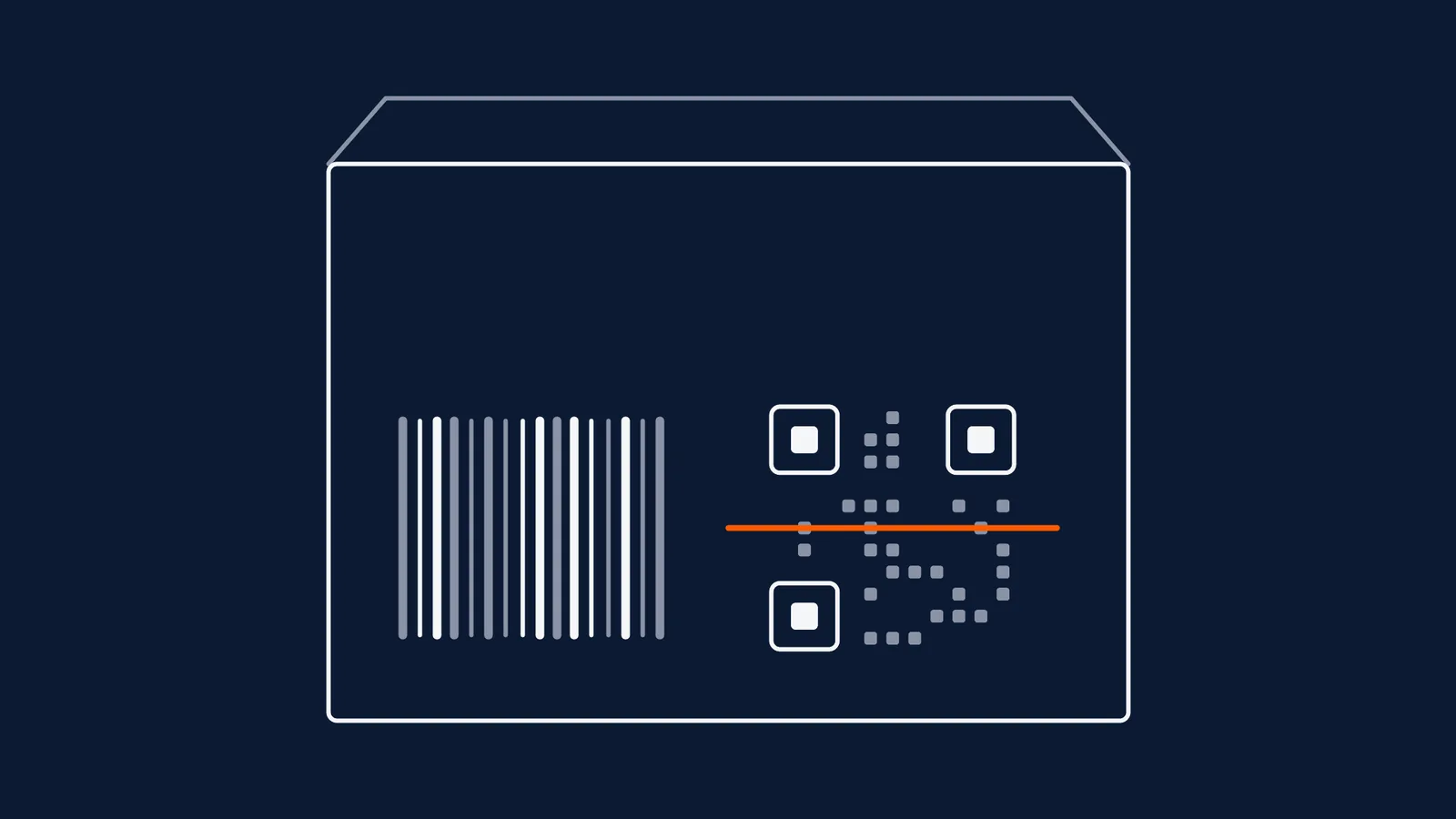
If you print packaging, you have probably heard the phrase 'Sunrise 2027' from a retail buyer, a printer or a barcode vendor. It is easy to take it as either a crisis or noise. It is neither, but it does change a question you should be asking every time a new pack goes to artwork: is this QR code only for shoppers, or could it also be read at the till?
What Sunrise 2027 actually is
GS1 is the standards body behind the barcodes on retail products. According to GS1 US, Sunrise 2027 is a global shift from one-dimensional UPC barcodes to 2D barcodes, such as QR codes, that carry more information about a product: transparency, traceability and data a linear code cannot hold.
Two points from the same page matter more than the headline.
It is a milestone, not a hard stop. The page treats 2027 as a target date for the transition without describing a day on which old barcodes stop being accepted, and it says companies do not need to use every 2D capability by then.
It does not simply replace the product number. The global trade item number that a conventional barcode carries also goes into the 2D code, and GS1's retail guideline still describes linear barcodes alongside the 2D formats. The picture is a transition with both coexisting, not a single switch-over.
What it asks of each party
| What GS1 asks | Why | |
|---|---|---|
| Brands | Add 2D barcodes to packaging, and update any existing QR codes to the GS1 Digital Link standard so they carry the product's number | So a single code can serve the till and the shopper |
| Retailers | Install scanners that can read 2D codes and extract the product number at point of sale | So the till can use the new codes |
| Brands, later | Add data such as variants or expiry dates, and use codes for consumer engagement | Optional extras beyond the basic transition |
| Retailers, later | Use 2D codes for safety, traceability and inventory management | Optional extras beyond the basic transition |
The part that applies to anyone already printing a QR code on a pack is the second row: update existing QR codes to the GS1 Digital Link standard.
Why your marketing QR code is probably not a Digital Link
Most marketing QR codes on packs look like this in principle: a shopper scans, the phone follows a short address, and a page loads. That address is built for a QR platform's convenience, not a till's. It does not contain the product number, so a point-of-sale scanner that reads it learns nothing about what is being bought.
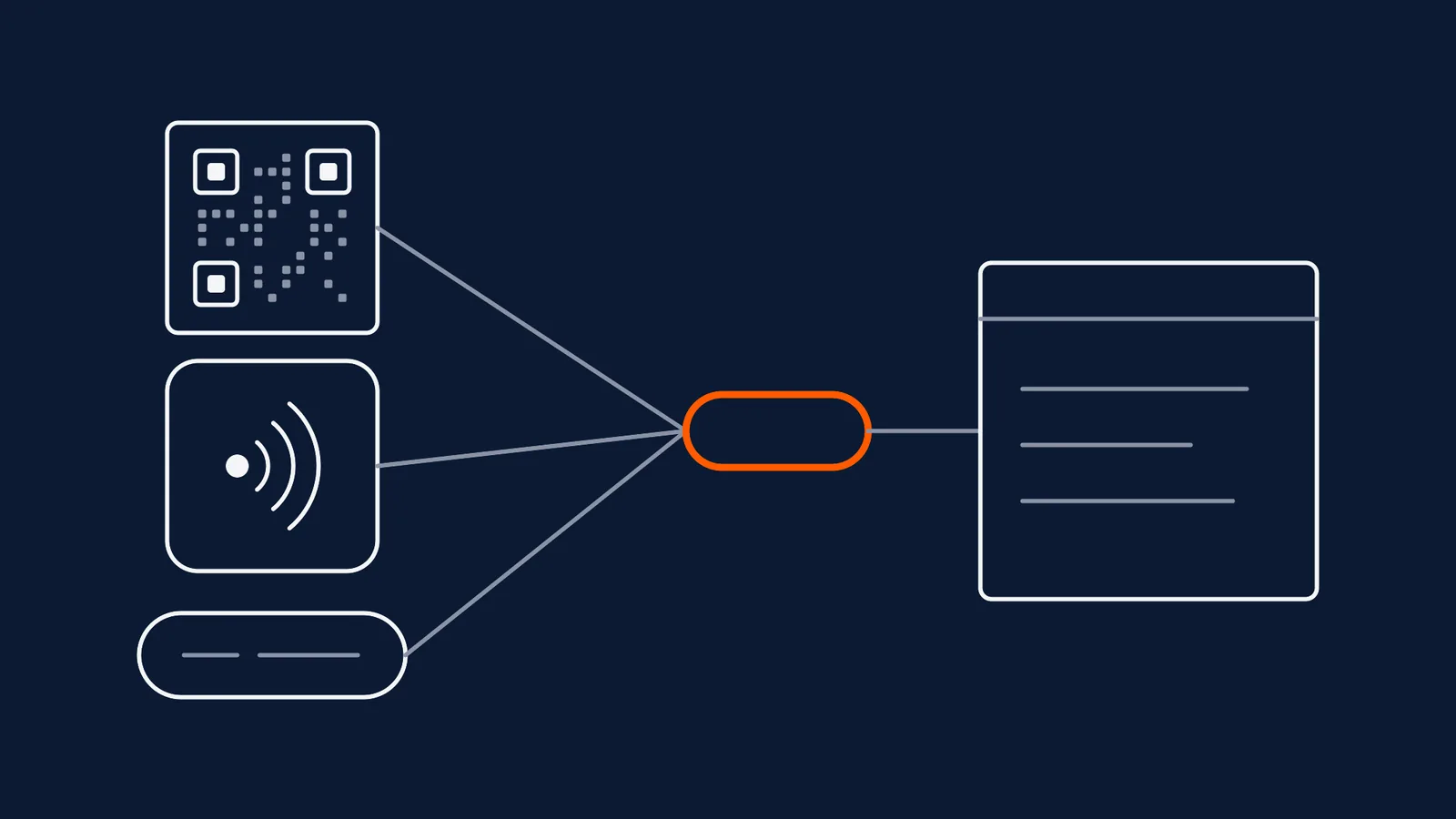
A GS1 Digital Link is a web address structured to GS1's standard so that the product number is part of the address itself. The same code can then do two jobs: a till can pull the number out of it, and a shopper's phone can follow it to a page. That is the point of the shift.
| Short-link marketing code | GS1 Digital Link code | Linear barcode (for comparison) | |
|---|---|---|---|
| Carries the product number | No | Yes, inside the address | Yes |
| Opens a page for a shopper | Yes | Yes | No |
| Readable by a modern till | Not as a product identifier | Yes, if the retailer has upgraded scanners | Yes |
| Editable destination | Yes, if dynamic | Depends on the resolver setup | No |
| Main use today | Campaigns, product info | Both till and shopper | Till only |
A dynamic redirect and a Digital Link do different jobs, though some setups combine them. A dynamic code's value is changing the destination without reprinting; a Digital Link's value is carrying a standard product identity. Whether a given QR platform can generate Digital Link-structured addresses, and keep them working, is a question to put to that platform directly. Do not assume a platform that does one does the other.
What to audit now
You do not need to reprint everything. You need to know what you have and decide per product.
- List every pack with a QR code on it, with the artwork date, the print run size and the destination.
- For each, decide who the code is for: shoppers only (a campaign, a recipe, a registration page), or also the till (retail products that will be scanned at point of sale).
- Ask your retail partners what they expect. Large retailers and marketplaces can tell you what they are asking suppliers to do and by when. That is more reliable than any date you read online.
- Ask your QR platform whether it supports Digital Link-structured addresses, and what happens to a code if the arrangement ends. Keep the answer in writing, as with any platform dependency.
- Fold the decision into your next artwork round, not a panic reprint. Packaging has long lead times and mistakes are expensive to reprint, so changes belong in the next scheduled change.
- Keep a linear barcode where the retailer still needs one. GS1's materials describe the formats coexisting, so removing a barcode that a till still needs is a mistake.
The physical rules still apply
A 2D code that must scan at a till is held to tighter physical rules than one for a curious shopper. GS1's retail guidance on size and placement is the authority for retail packaging, and the packaging post covers the main constraints: the permitted module size range, a minimum gap to any adjacent linear barcode, and quiet-zone requirements that matter more on curved, metallic or fabric surfaces. If a code is meant to work at point of sale, test the printed proof with a scanner of the kind used in stores, not only a phone, and run the pre-print checklist before the plates are made.
What about India?
GS1 is a federation of national organisations, and GS1 India is the member organisation here. The materials behind this post are from GS1's global and US sites, and no published India-specific deadline or mandate turned up in them. That is not the same as saying none exists or none will. Two practical points follow.
- If you export, or sell through multinational retailers and marketplaces, their requirements may reach you through them before any national rule does.
- If you sell mainly through local trade, the pressure may be lighter, but a new pack designed today may be on shelves for years. A QR code designed with the standard in mind costs little extra now and avoids a reprint later.
Either way, ask your buyers and ask GS1 India, because a general explainer, this one included, cannot tell you what your particular retailers will require.
What this means for your next pack
Treat Sunrise 2027 as a prompt to ask one new question at artwork stage: could this code also be read at the till? If not, a normal marketing code is fine and the rest of this archive applies. If yes, the address behind it needs to follow GS1's structure, the platform needs to be able to deliver that, and the physical specification needs to meet retail rules, not only phone-scanning rules. In both cases, write down the decision, because the person who has to explain it in two years may not be you.
Straight answers
Does Sunrise 2027 mean the UPC barcode disappears in 2027?
Not according to GS1's own description, which presents 2027 as a milestone for readiness rather than a date on which linear barcodes stop working. The product number that sits in a conventional barcode is carried into the 2D code, and retail guidance still refers to linear barcodes alongside the 2D formats. The sensible reading is a transition period, with retailers upgrading scanners and brands adding 2D codes over time.
Is a normal marketing QR code the same as a GS1 Digital Link?
No. A GS1 Digital Link is a web address structured to a GS1 standard so that it carries the product's global trade item number, which lets a retail scanner pull out the product identity. A typical marketing QR code points at a short redirect that contains no product number, so it can send a shopper to a page but cannot identify the product to a till.
Do I need to act now if I only sell in India?
That depends on your retail partners and where your products are sold. No published India-specific mandate turned up in the sources behind this post, and GS1's materials are written around its global and national member organisations. If you sell through large retailers, marketplaces or into export markets, ask them directly what they expect, and ask GS1 India what it recommends for your category.
Can the same code serve shoppers and the till?
That is the idea behind a GS1 Digital Link: one 2D code that a point-of-sale scanner can read for the product number and a shopper's phone can open for product information. Whether your platform can generate and host one is a question for that platform, not an assumption. A short link redirect and a Digital Link do different jobs, and some stacks do both while many do only the first.
-
GS1 US: what Sunrise 2027 is and what it asks of brands and retailers
https://www.gs1us.org/industries-and-insights/by-topic/sunrise-2027 -
GS1: 2D Barcodes at Retail Point-of-Sale implementation guideline
https://ref.gs1.org/guidelines/2d-in-retail/