Do QR Codes Expire? What Actually Stops Working and Who Controls It
A QR code image never expires, but the thing behind it can. The seven real causes, who controls each, and five questions to ask before you print.
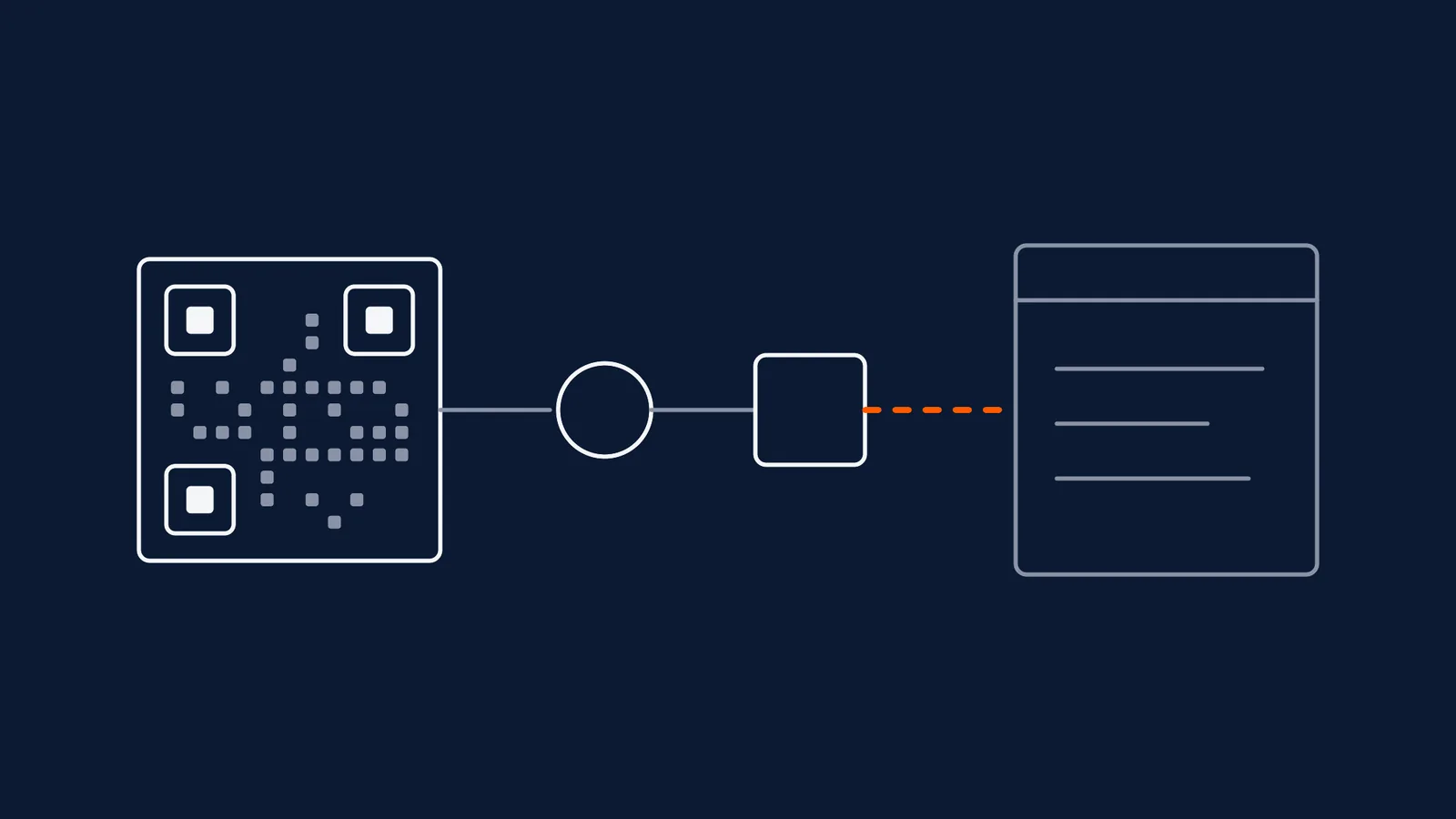
'Do QR codes expire?' is one of the most searched questions in the whole subject, and the answers online tend to be either 'never' or 'yes, after a trial'. Both are partly right. The more useful answer is that a QR code is a doorway, and a doorway can stop working because the door, the corridor behind it or the building has changed.
Here is each cause, who controls it, and what to ask before you print.
What an expiring QR code really is
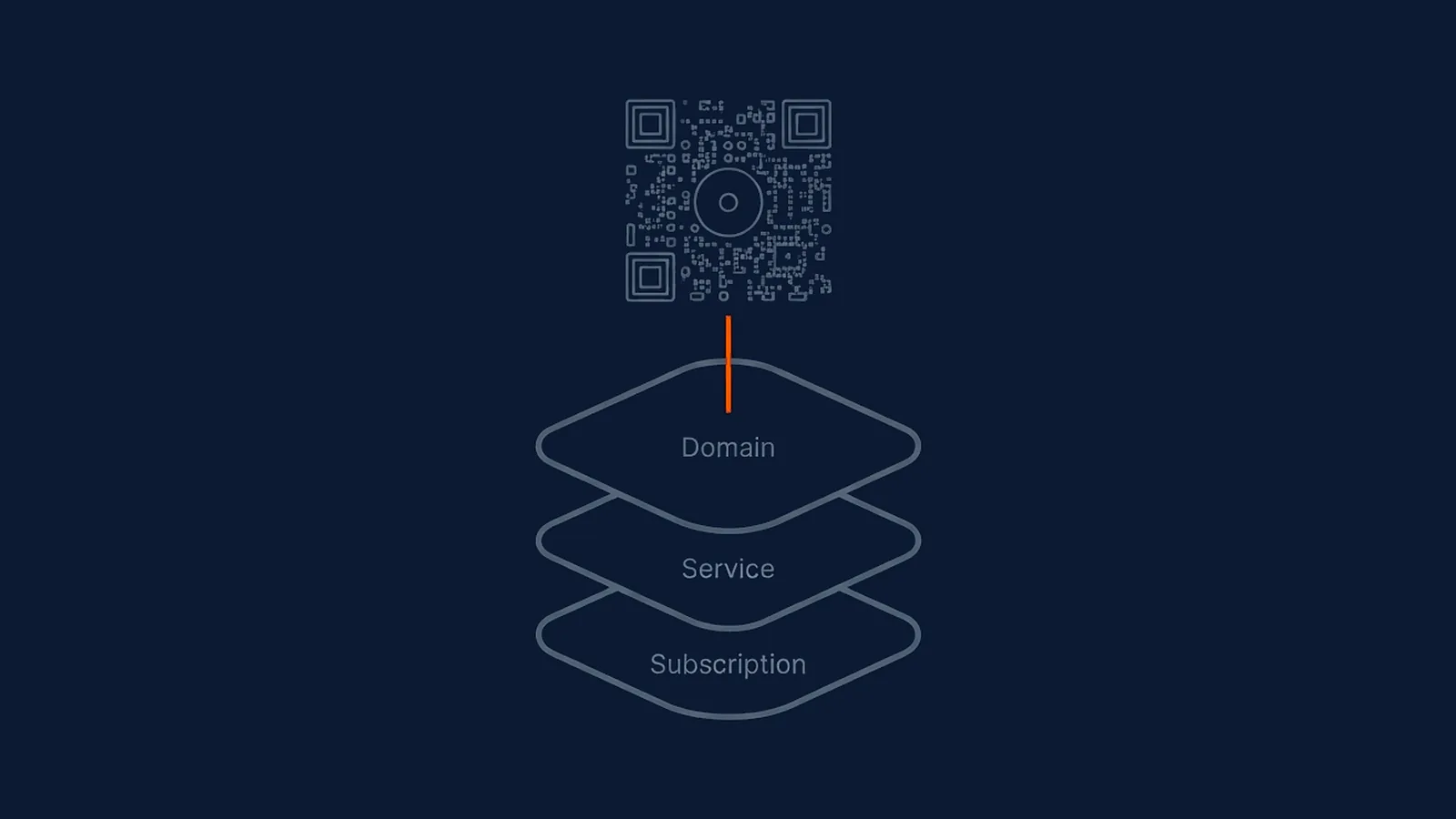
A QR code is a pattern that encodes data, usually a web address. The pattern has no clock and no connection to any account. What follows a scan is a chain: the phone reads the pattern, perhaps hops through a redirect, and lands on a page. Every link in that chain can break independently.
As one vendor's explainer puts it, QR codes themselves do not physically expire, and the failure points are the page, the provider's service and the print. That is a vendor blog and it leans toward its own product, so use it for the list of causes, not for any guarantee.
The seven real causes
| # | Cause | Applies to | Who controls it | How to check |
|---|---|---|---|---|
| 1 | The destination page was deleted, moved or redesigned | Static and dynamic | You, or whoever runs the site | Scan the code from a printed proof on a schedule |
| 2 | The print faded, scuffed or got damaged | Static and dynamic | You, and your print choices | Inspect the printed code in place |
| 3 | A free trial ended | Dynamic | The vendor's terms | Read what the trial says happens to codes at the end |
| 4 | A paid subscription lapsed | Dynamic | You and the vendor | Find the vendor's written policy on lapsed plans |
| 5 | A campaign or code was deleted | Dynamic | Whoever has account access | Limit who can delete, and keep a log |
| 6 | The account was closed or went inactive | Dynamic | You and the vendor | Ask about inactivity rules and data deletion |
| 7 | The vendor changed, sold or shut down | Dynamic | The vendor | Ask the continuity questions before signing |
Causes 1 and 2 belong to every printed QR code. Causes 3 to 7 only belong to dynamic ones, because only dynamic codes depend on a vendor's server staying up and staying yours. That is not an argument against dynamic codes, which exist because being able to change a destination is valuable. It is an argument for knowing exactly what you are depending on.
The free-trial trap
The most common version of 'my code expired' is a dynamic code made under a free trial. The vendor's explainer notes that free generators may limit how long codes stay active, cap scans or set expiry dates, and that codes made during a trial may stop working when it ends. The same source says a code that lapsed over a subscription can typically be restored by reactivating the account.
Notice the structure of that claim. It is a vendor describing a vendor's own typical behaviour. Policies differ, change, and are not always written down anywhere you can point to later. So the question is never 'do QR codes expire?' in general. It is 'what does this provider's code do, under these terms, on the day the trial or plan ends?'
Five questions to ask before you print
- What happens to a live dynamic code if my trial ends or my plan lapses? Does it stop, show a holding page, or keep resolving?
- If it stops, can it be restored, and by when? Is there a window after which codes and data are deleted?
- Are there limits on scans, codes or lifetime on the plan I am using, free or paid?
- Who can delete a code or campaign, and is there a log of who did?
- If the vendor shuts down or is sold, what happens to my codes? Is there a published answer?
If a provider cannot answer in writing, that is the answer. It does not make them dishonest, and it does mean you are printing against an unknown. The ownership post goes through the full due-diligence list.
Choosing static to avoid the question
If the answer to all five questions is uncomfortable, the code might belong in static form. A static code has no vendor in the chain: its destination is in the pattern, so no trial, plan or account can switch it off. Some jobs suit it perfectly: a permanent installation, a WiFi login, a contact card, anything that must outlive any vendor, this one included. The price of static is that the destination can never change, so the page it points to has to stay put.
A middle path for long-lived prints is to point a static code at a page on a domain you control, then manage that page yourself. Your own domain then becomes the redirect. That removes a third-party dependency, though it moves the responsibility to you, and a lapsed domain registration becomes a new cause 1.
What this means for the platform behind this blog
Since the question is the topic, here is the straight answer on this platform. Static codes made here carry no ongoing dependency on the platform at all, for the reason above. For dynamic codes, what happens to a live code if a plan lapses has not been published yet, and the same is true of what happens if the company changes hands. That is unchanged from the ownership post, where the gap is stated openly. Until it is closed, do not print a dynamic code you cannot afford to lose. Treat the answer as unknown and plan accordingly.
What this means for your next print run
Before you print, decide which of the seven causes you can live with. For a code that must last, put as much of the chain as possible in your own hands: a static code or your own domain, a destination page you will keep, and print you will inspect. For a code that must be editable, accept the vendor dependency with open eyes, get the five answers in writing and put a reminder in the calendar for the renewal date. Then run the pre-print checklist, whose governance group exists for exactly this.
Straight answers
Does a QR code have an expiry date built into it?
No. The pattern of squares is just encoded data and has no clock. What can expire is everything around it: the web page it points to, the subscription that keeps a redirect alive, the free trial it was made under, or the ink and surface it is printed on. When people say a QR code expired, one of those things stopped, not the code itself.
Will a static QR code ever stop working?
It can, but never because of a vendor. A static code has its destination written into the pattern, so no account or subscription is involved. It stops working if the page it points to disappears, or if the printed code is damaged or faded past the point a phone can read it. Those are the only two failure modes, and both are in your hands.
Why did my free QR code stop working after a few weeks?
Most likely it was a dynamic code made under a free trial or a limited free plan. Dynamic codes route every scan through the provider's server, and when a trial ends or a plan lapses, a provider can stop that redirect. Whether that is the case depends on the provider's terms, which is why the terms are worth reading before anything is printed.
Can an expired dynamic QR code be brought back?
Often, but not always. Some providers restore a lapsed code when the account is reactivated, which is how at least one vendor's own FAQ describes it. Others may delete inactive campaigns or accounts after a period. Do not assume a code can be revived; find out the provider's actual policy, and if it is not published, treat that as an unknown.
-
QR code vendor blog: causes of QR codes stopping, free-trial limits, reactivation; vendor claims treated as vendor-reported
https://www.qrstuff.com/blog/?p=11583